
Loading...
Serving Amherst, MA and surrounding areas. (413) 416-9023
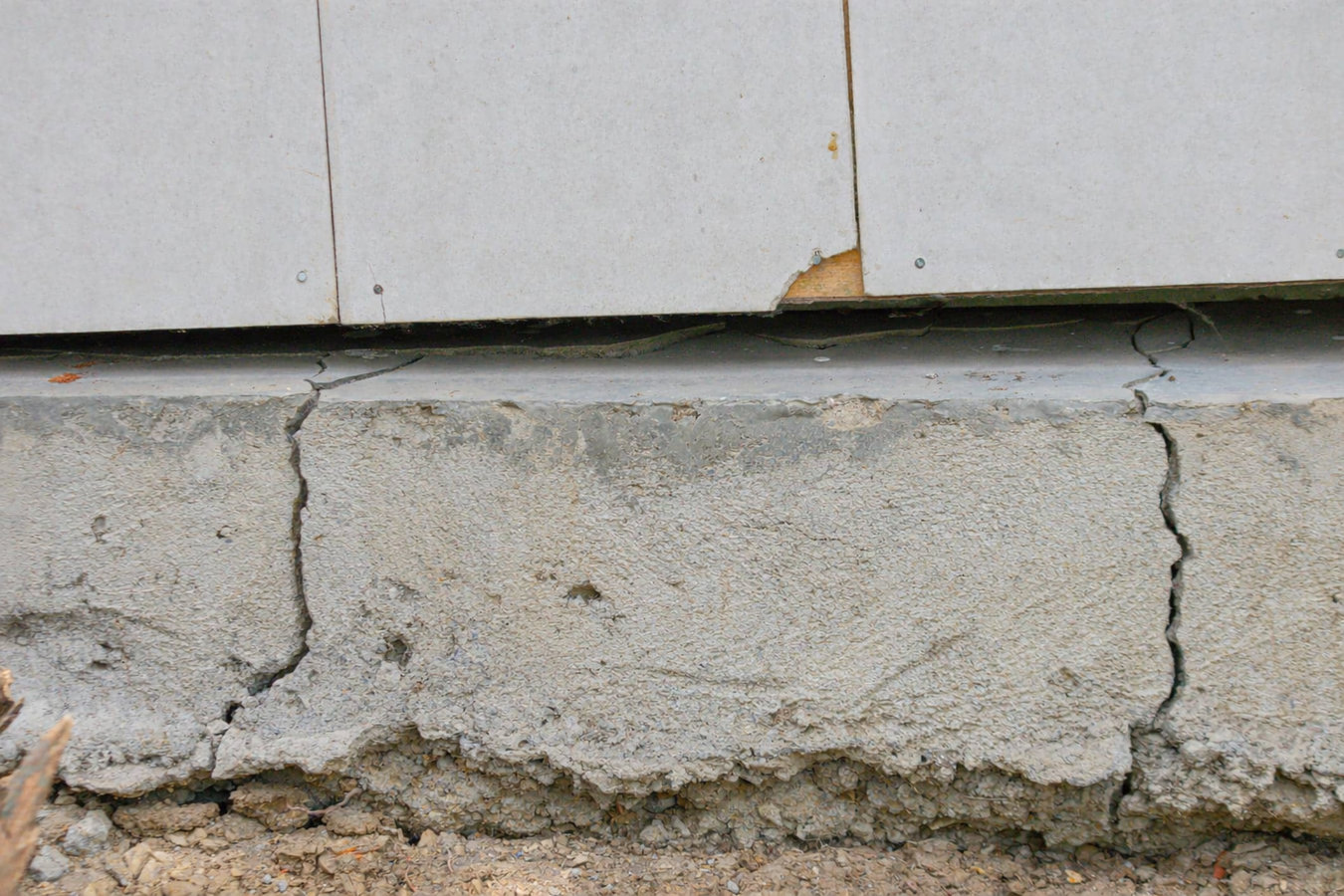
A sunken foundation does not fix itself. We lift and level your concrete slab using methods built for Pioneer Valley soils and western Massachusetts winters.
Foundation raising in Amherst lifts sunken or uneven concrete slabs back to level by pumping material into the void beneath them, most jobs are finished in a single day without removing and replacing the existing slab.
If you have noticed a slope in a garage floor, a gap between your foundation and the sill above it, or doors that started sticking after a hard winter, the slab beneath has likely shifted. Amherst homeowners deal with this more than most because Pioneer Valley clay soils expand and contract with every wet-dry and freeze-thaw cycle. The good news is that a structurally sound slab that has simply dropped is a strong candidate for lifting rather than replacement.
Foundation raising pairs naturally with concrete cutting when a project involves opening or modifying the slab before lifting, or with slab foundation building when the damage is severe enough that replacement makes more sense than repair.
A door that opened fine in October but drags on the floor or will not latch by March is a sign the frame around it has shifted. In Amherst this often happens after a hard winter with many freeze-thaw cycles. It does not always mean a major problem, but it is worth having a contractor check the foundation before the next winter makes it worse.
Walk around the outside of your home and look where the foundation wall meets the wooden framing above it. If you can see daylight, feel a draft, or notice the gap is wider on one side, the foundation has likely dropped unevenly. This is especially common in older Amherst homes where clay soil movement has had decades to work.
Put a marble on your floor and watch where it rolls. If it consistently rolls toward one corner or wall, your floor and the foundation beneath it have likely settled unevenly. A floor that feels soft or springy in certain spots can also signal that the support beneath it has shifted.
Amherst gets significant spring snowmelt, and if water collects against your foundation rather than draining away, it is actively eroding the soil beneath the slab. Over time this creates voids that cause the foundation to drop. Standing water near your foundation after a storm is both a warning sign and a cause - and it should be addressed alongside any lifting work.
We handle foundation raising using two proven methods: traditional mudjacking, which pumps a cement-and-soil slurry beneath the slab, and polyurethane foam injection, which uses a lightweight expanding foam that cures quickly and adds less weight to the soil. We recommend one or the other based on your soil conditions, slab size, and how soon you need to use the area. Both methods leave small, patched drill holes and no major disruption to your property.
Every job starts with an honest assessment. If the slab is too far gone for lifting - too fragmented, too deteriorated, or sitting on soil too unstable to hold the repair - we will tell you that before any work begins and point you toward slab foundation building instead. For properties where parts of the slab need to be opened or modified before lifting, we pair this work with concrete cutting so the whole job is handled by one crew.
Suits homeowners who want a proven, cost-effective method for residential slab lifting on stable soil.
Suits homeowners who need faster curing times or have soil conditions where added slurry weight is a concern.
Suits homeowners whose foundations have sunk more than once - addressing drainage stops the cycle from repeating.
Suits homeowners who want documented, inspected work that holds up at resale and protects their home value.
Amherst sits in the Connecticut River Valley on soils with significant clay content left behind by glacial activity. Clay expands when wet and contracts when dry, which means the ground beneath your foundation is being pushed and pulled with every rain cycle and every dry stretch. Layer on top of that the western Massachusetts freeze-thaw cycle - temperatures that swing below freezing in winter and back up through spring repeatedly - and you have two forces working together to move concrete slabs over time. This is why foundation movement is not an outlier event for Amherst homeowners. It is a predictable outcome of the local conditions.
The older the home, the more winters those forces have had to do their work. Homeowners in Northampton and Hadley face the same soil and climate conditions - the Pioneer Valley is one continuous system of glacially deposited material, and any contractor working here needs to understand that context. We have worked on foundations across this region and know what the soil does through the seasons. That familiarity is part of what goes into every estimate we give. See the UMass Extension for soil and drainage resources specific to western Massachusetts.
We respond within one business day. We ask a few basic questions - what you are seeing, where the problem is, and roughly how old your home is - so we come to the site prepared and give you a realistic sense of what to expect.
We walk the affected area with you, check the level of the slab, look for cracks, and assess the soil and drainage conditions. We explain what we are seeing in plain terms, tell you whether raising makes sense or whether replacement is the honest recommendation, and give you a written quote before leaving.
We apply for the Town of Amherst building permit before any work begins. This typically adds a few days to a week to the timeline. You do not need to contact the Building Department - we handle everything and schedule the work once the permit is approved.
On work day the crew drills small holes, injects the lifting material, monitors the rise, and patches the holes before leaving. Most residential jobs finish in a few hours. We walk the surface with you before we pack up and tell you exactly what to watch for in the coming months.
We respond within one business day, handle the permit, and give you a written quote before any work begins. No pressure, no surprises.
(413) 416-9023The clay-heavy, glacially deposited soils across Hampshire County behave differently from sandy or loam soils, and we have worked in these conditions across Amherst and the surrounding valley towns. Understanding what the soil does through the seasons is part of how we decide which method to use and whether drainage work needs to go alongside the lifting.
Massachusetts requires a permit for structural foundation work, and we file with the Town of Amherst Building Department on every job before a single hole is drilled. This is not optional - it is how legitimate structural work gets done. The permit record protects your home value and gives you documentation that the work met code if a buyer or appraiser asks.
Foundation raising works when the concrete slab is structurally sound but has simply dropped. When it is not - when the slab is too fragmented or the soil too unstable - we say so, clearly, before any money changes hands. We would rather lose a raising job than have you call us in two years because the repair failed.
Lifting a slab without addressing the drainage that caused it to sink is temporary work. On every job we assess whether the grading and drainage around your home are directing water away effectively. If they are not, we tell you - and we can address it at the same time so you are not back to square one after the first wet spring.
Every step from the first call through the final walkthrough is aimed at one outcome: a level surface that stays level. That means being honest when raising is not the right answer, pulling the right permit, and not leaving until the surface has been checked and you are satisfied with the result.
Clean, straight cuts through slabs and foundation walls to open sections for repair, utility access, or egress windows.
Learn MoreNew slab poured to modern frost-depth standards when the existing foundation is too damaged for lifting.
Learn MoreAmherst freeze-thaw cycles will keep working on a sunken slab. The sooner you address it, the less damage accumulates - and the more options you have.